Physical Address
304 North Cardinal St.
Dorchester Center, MA 02124
Physical Address
304 North Cardinal St.
Dorchester Center, MA 02124
Quality News
Quality News
When it comes to the realm of cinema, few genres capture the imagination quite like science fiction. From adrenaline-fueled space operas to eerie dystopian tales, sci-fi films push the boundaries of creativity, often leaving audiences questioning the nature of reality itself. In this exploration, we delve into a selection of the most mind-blowing sci-fi movies ever made, each one offering a unique perspective on technology, humanity, and the universe.
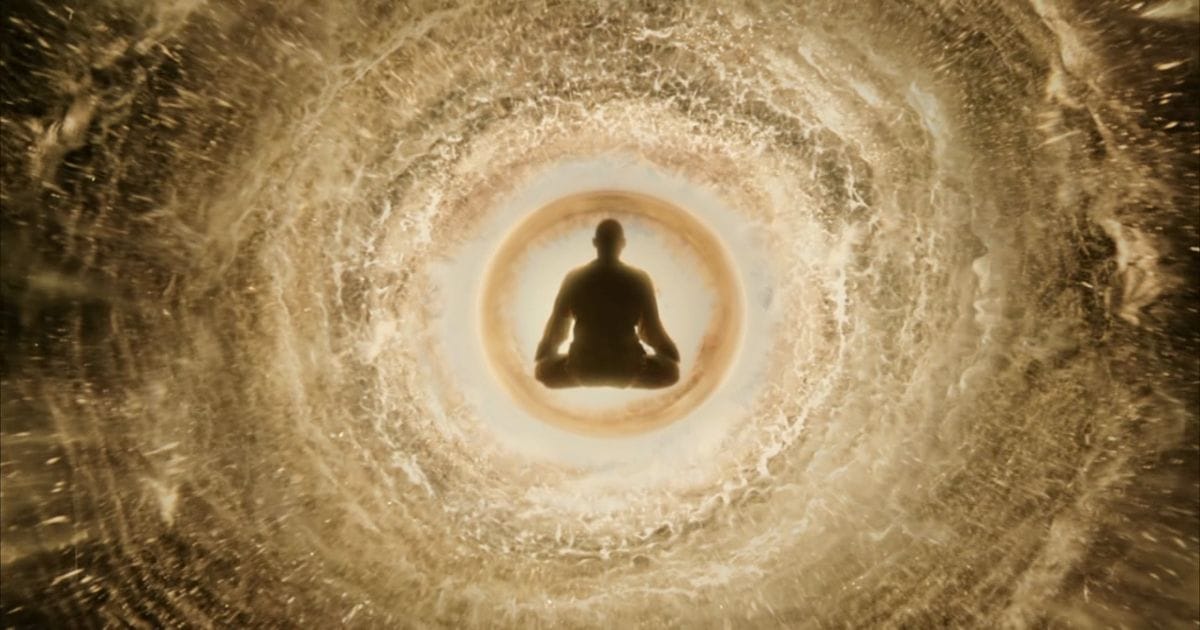
“The Fountain,” directed by Darren Aronofsky, is a stunning visual feast that traverses time and space. This film weaves together three parallel narratives, spanning over a thousand years, centered around love, death, and the quest for eternal life. It features an incredible performance by Hugh Jackman, who plays characters in different eras, all connected by the same quest for immortality. The lush cinematography and haunting score create an immersive experience that challenges viewers to reflect on their own beliefs about life and death, providing a poetic meditation on the human experience.
The sequel to the iconic “Blade Runner,” this film expands on the themes of artificial intelligence and what it means to be human. Directed by Denis Villeneuve, “Blade Runner 2049” brings us to a dystopian future where replicants, bioengineered beings, struggle for their own identity and place in society. The cinematography is breathtaking, with vast, desolate landscapes juxtaposed against vibrant neon-lit cityscapes. The deep philosophical questions posed throughout the film keep audiences engaged, making it a truly unforgettable cinematic experience.
“Inception,” directed by Christopher Nolan, is a mind-bending thriller that takes the concept of dreams to a new level. Focusing on a team of thieves who enter the dreams of others to steal secrets, the film blurs the lines between reality and illusion. With its intricate plot and stunning visual effects, “Inception” challenges viewers to think critically about the nature of the mind and our perceptions of reality. The film’s iconic spinning top serves as a metaphor for the uncertainty that lingers long after the credits roll.
Another gem from Christopher Nolan, “Interstellar” is a breathtaking journey through time and space. This film explores the power of love and the sacrifices made for family, set against the backdrop of intergalactic exploration. With stunning visuals of black holes and distant galaxies, coupled with a haunting score by Hans Zimmer, “Interstellar” immerses audiences in a narrative that is both scientifically grounded and emotionally resonant. The film underscores the importance of hope and the human spirit amid the vast unknown of the cosmos.
“The Matrix” revolutionized the sci-fi genre with its innovative visual effects and thought-provoking narrative. Directed by the Wachowskis, this film portrays a dystopian future where humanity is unknowingly trapped in a simulated reality by intelligent machines. The film’s exploration of reality, free will, and the nature of existence invites viewers to question the world around them. Its groundbreaking action sequences, iconic bullet-dodging scenes, and unforgettable quotable lines have left an indelible mark on popular culture.
“Arrival,” directed by Denis Villeneuve, offers a fresh perspective on alien encounters. This film focuses on linguist Louise Banks, played by Amy Adams, who is tasked with communicating with extraterrestrial visitors. Rather than focusing on action and violence, “Arrival” beautifully explores themes of language, time, and human connection. The film combines emotional depth with stunning visuals, showcasing the complexity of communication and the impact of choice in our lives.
“In a world increasingly dominated by artificial intelligence, “Ex Machina” emerges as a gripping psychological thriller that delves into the ethical implications of AI development. Directed by Alex Garland, the film tells the story of a young programmer who is invited to administer a Turing test to a highly advanced female AI. As the lines between human and machine blur, “Ex Machina” raises critical questions about consciousness, manipulation, and the fragility of human relationships. Its minimalist approach and intense performances make it a stark reflection on the future of technology.
“Gattaca” offers a cautionary tale about genetic engineering and the future of humanity. Set in a world where one’s social status is determined by their DNA, the film follows Vincent Freeman, a man born with natural imperfections who strives to overcome societal constraints. With its distinct visual style and thought-provoking premise, “Gattaca” explores themes of destiny, free will, and what it truly means to be human. It serves as a powerful reminder of the value of individuality in a society that prioritizes genetic perfection.
Stanley Kubrick’s “2001: A Space Odyssey” is often hailed as one of the greatest films of all time. This epic journey through space and time raises profound questions about humanity’s evolution, artificial intelligence, and the unknown. The film’s use of visual storytelling, accompanied by an iconic classical score, creates a meditative experience that requires close attention and introspection. Its legacy continues to influence filmmakers and spark debates about its enigmatic themes and imagery.
In conclusion, the sci-fi genre is a rich tapestry of stories that challenge our perspectives and provoke thought. The films highlighted here showcase diverse narratives that span across both time and imagination, inviting viewers into worlds that explore the depths of human experience and the mysteries of the universe. As we continue to embrace technological advancements and grapple with their implications, these films remain highly relevant, urging us to reflect on the paths we choose and the future that lies ahead.
Whether you’re a casual viewer or a die-hard fan of sci-fi, these cinematic masterpieces promise to engage your mind and leave you pondering long after the credits roll. So grab some popcorn, dim those lights, and prepare to embark on a journey through the cosmos, where the only limit is the imagination.