Physical Address
304 North Cardinal St.
Dorchester Center, MA 02124
Physical Address
304 North Cardinal St.
Dorchester Center, MA 02124
Quality News
Quality News
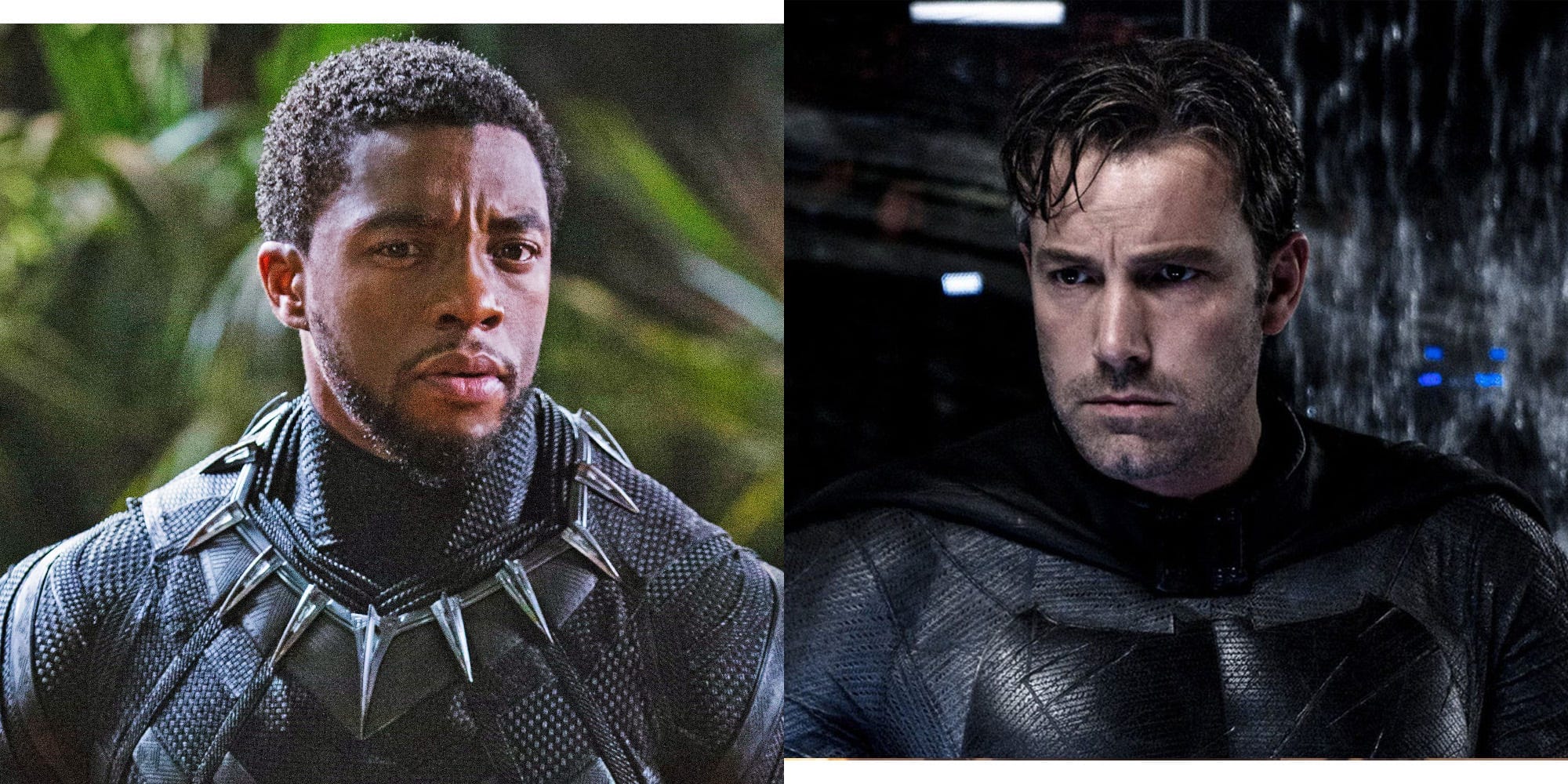
When it comes to the ongoing debate in superhero cinema, one question consistently arises: what is better, DC or Marvel movies? This age-old rivalry has sparked countless discussions among fans and critics alike. The contrasting styles, narratives, and character developments present in these two comic book giants offer valuable insights into their respective approaches to filmmaking. In this article, we will explore various dimensions of this debate, examining the merits of both Marvel and DC films, and ultimately seeking to understand which universe captivates audiences more effectively.
The question of which franchise reigns supreme has been the centerpiece of discussions for decades. Each has carved out its unique identity in the superhero genre, with Marvel boasting a propensity for intertwining storytelling across multiple films while DC attempts to establish a darker tone with its standalone narratives.
Marvel’s success can largely be attributed to its well-crafted universe, known as the Marvel Cinematic Universe (MCU). With a masterful blend of humor, character development, and interconnected storytelling, Marvel has successfully attracted a diverse audience. Films like “Avengers: Endgame” have showcased extensive character arcs spanning over a decade, culminating in epic confrontations that offer a sense of closure while paving the way for new stories.
One of Marvel’s strongest points is its investment in character development. Each character is given a nuanced arc that allows audiences to relate to their struggles and triumphs. From Tony Stark’s transformation from a self-centered billionaire to a selfless hero, to Steve Rogers’ unwavering moral compass, Marvel creates characters that resonate significantly with viewers. This emotional investment plays a crucial role in the audience’s preference for Marvel over DC.
In contrast, DC’s approach has focused on creating a darker, more serious tone in its films. Known for iconic characters such as Batman, Superman, and Wonder Woman, DC has a rich history that forms the foundation of its cinematic explorations. However, compared to Marvel, DC has faced challenges in achieving cohesion in its shared universe, leading to unevenness in film quality and audience reception.
Christopher Nolan’s “The Dark Knight” set a benchmark for superhero films, showcasing the potential for depth in storytelling and complexity in character depiction. Heath Ledger’s portrayal of the Joker is often heralded as one of the greatest performances in cinematic history, pushing the boundaries of what superhero films could accomplish. Yet, despite its triumphs, the subsequent DC films have struggled to capture the same level of acclaim, often leading to mixed reviews.
In the clash of titans represented by their respective cinematic offerings, both studios have hits and misses. Marvel’s ability to weave interconnected stories offers a unique advantage. “Infinity War” and “Endgame,” for example, allowed a massive assembly of characters, creating a level of excitement that was unparalleled. Conversely, DC has seen success with standalone films like “Joker” and “Wonder Woman,” which have achieved critical and commercial success by focusing on character specificity rather than interconnected storytelling.
The fun-loving screenplay and accessible narratives of Marvel films generally keep fans engaged. When considering the key question of what is better, DC or Marvel movies, consider the technical prowess, cinematography, and visual effects that have risen, especially within the MCU. The excitement of superhero battles matched against phenomenal graphics contributes to a thrilling experience, pulling audiences back for more.
As both franchises continue to evolve, it’s important to look at the future landscape of superhero cinema. Marvel’s ongoing slate promises to introduce new characters and story arcs, while integrating legacy characters in innovative ways. Meanwhile, DC appears to be recalibrating its approach, fostering a sense of identity that moves away from the interconnected universe that it struggled to establish.
The inclusion of diverse characters and stories is a significant trend as both studios seek to resonate with a broader audience. Marvel’s introduction of characters like Ms. Marvel and Black Panther opens doors for representation while driving exciting narrative directions. DC, too, has begun to embrace diversity, with films like “Shazam!” and upcoming projects focusing on lesser-known heroes from diverse backgrounds.
The question of what is better, DC or Marvel movies, ultimately comes down to personal preference. Each universe has its strengths and weaknesses, and their impact on audiences varies widely. Marvel thrives on its intricate storytelling and character arcs, while DC offers dark, isolated tales with deeply ingrained mythologies. As both franchises move forward, fans can expect more innovative content that pushes boundaries while honoring the rich histories of these legendary superhero worlds.